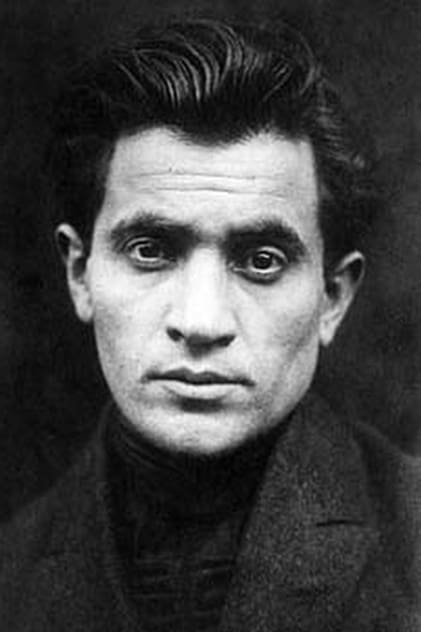
Alexander Granach
Known for acting · Born 18 April 1890 · Died 14 March 1945 · aged 54 · Werbowitz, Galicia, Austria-Hungary [now Verbivtsi, Kolomyia Raion, Ivano-Frankivsk Oblast, Ukraine]
48 credits
From Wikipedia, the free encyclopedia Alexander Granach (April 18, 1890 – March 14, 1945) was a popular German actor in the 1920s and 1930s who immigrated to the United States in 1938. Granach was born Jessaja Gronach in Werbowitz (Wierzbowce/Werbiwci) (Horodenka district, Austrian Galicia then, now Verbivtsi, Ivano-Frankivsk Oblast, Ukraine), to Jewish parents and rose to theatrical prominence at the Volksbühne in Berlin. Granach entered films in 1922; among the most widely exhibited of his silent efforts was the vampire classic Nosferatu (1922), in which the actor was cast as Knock, the lunatic counterpart to Renfield, effectively a substitute name for Dracula. He co-starred in such major early German talkies as Kameradschaft (1931). The Jewish Granach fled to the Soviet Union when Hitler came to power. When the Soviet Union also proved inhospitable, he settled in Hollywood, where he made his first American film appearance as Kopalski in Ernst Lubitsch's Ninotchka (1939) for Metro-Goldwyn-Mayer. Granach proved indispensable to film makers during the war years, effectively portraying both dedicated Nazis (he was Julius Streicher in The Hitler Gang, 1944) and loyal anti-fascists. Perhaps his best role was as Gestapo Inspector Alois Gruber in Fritz Lang's Hangmen Also Die! (1943). His last film appearance was in MGM's The Seventh Cross (1944), in which almost the entire supporting cast was prominent European refugees.
Known for
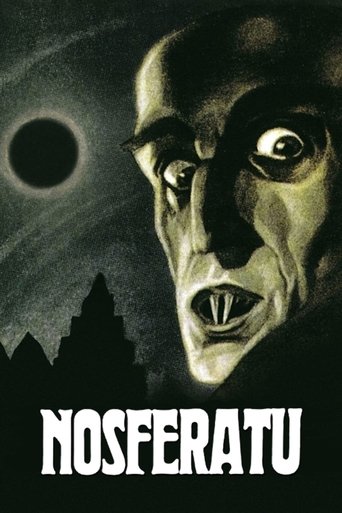
Nosferatu
1922
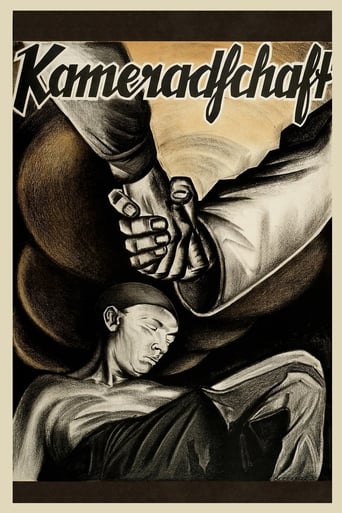
Comradeship
1931

Warning Shadows
1923
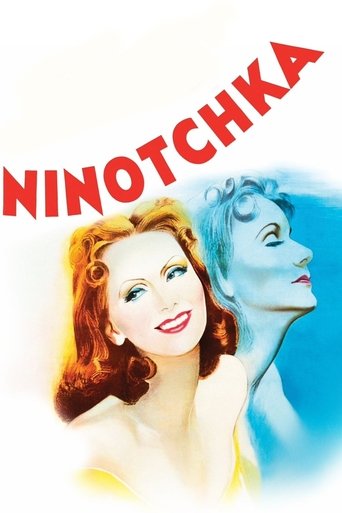
Ninotchka
1939
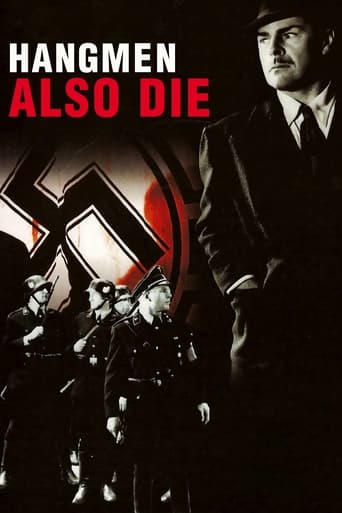
Hangmen Also Die!
1943
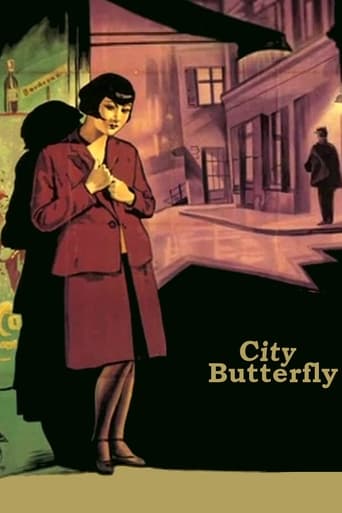
Pavement Butterfly
1929
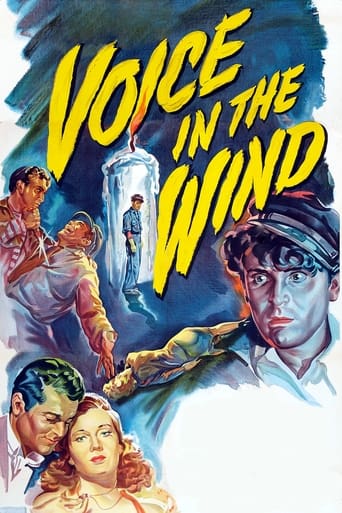
Voice in the Wind
1944
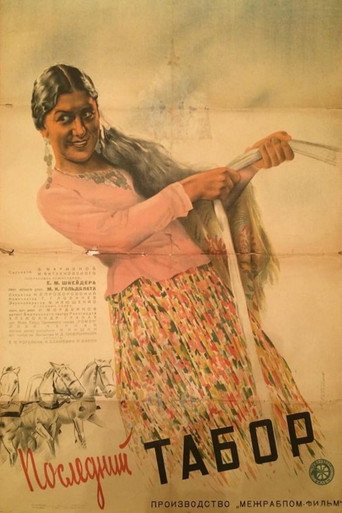
Gypsies
1936
Ich hatte einst ein schönes Vaterland
1928
Die Radio Heirat
1924
Man by the Roadside
1923
Ein Weib, ein Tier, ein Diamant
1923